

National Junk Food Day: Can You Enjoy Junk Food and Still Eat Healthy?
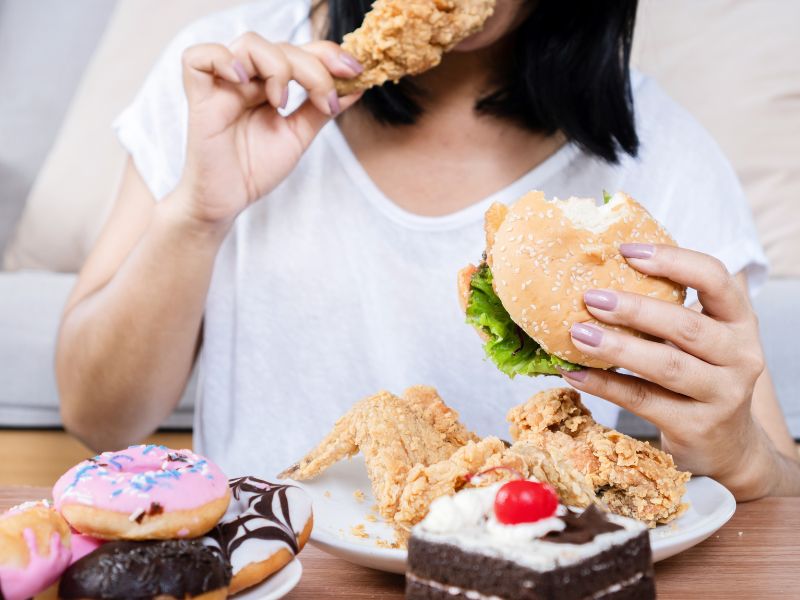
National Junk Food Day on July 21 is basically a holiday dedicated to giving your sweet tooth, salty snack cravings, and favorite drive-thru order a little attention. And honestly? That’s okay.
Despite what social media wellness trends might suggest, healthy eating doesn’t require perfection. But it is a good opportunity to take a closer look at the foods we eat most often and how ultra-processed foods fit into the bigger picture of overall health.
Understanding the Different Types of Processed Foods
The word “processed” gets thrown around a lot, but not all processed foods are the same. According to the NOVA food classification system, foods are grouped based on how much processing they undergo:
Unprocessed or Minimally Processed Foods
These are foods that remain close to their natural state. Fresh fruits and vegetables, eggs, plain yogurt, milk, rice, and beans all fall into this category. Basic preparation methods like washing, freezing, chopping, or pasteurizing don’t change their nutritional foundation.
Processed Culinary Ingredients
Ingredients like olive oil, butter, sugar, and salt are extracted from whole foods and used in cooking. They’re not typically eaten on their own but help create meals and recipes.
Processed Foods
Processed foods are recognizable versions of their original ingredients that have been altered for preservation, flavor, or convenience. Examples include canned vegetables, cheese, canned tuna, and freshly baked bread.
Ultra-Processed Foods
Ultra-processed foods are products that undergo extensive industrial processing and often contain ingredients rarely found in a home kitchen. Think artificial sweeteners, flavor enhancers, preservatives, emulsifiers, and color additives.
Common examples include:
- Packaged snack foods
- Soft drinks
- Fast food
- Frozen convenience meals
- Candy and desserts
- Many “diet” and low-fat packaged products
The biggest concern isn’t that these foods exist. It’s that they often replace more nutrient-dense options in the average diet.
What Happens When Ultra-Processed Foods Become a Habit?
Most ultra-processed foods are high in added sugars, sodium, and unhealthy fats while providing relatively little fiber, protein, vitamins, or minerals.
Research has linked diets high in ultra-processed foods with:
- Weight gain and obesity
- Insulin resistance and metabolic dysfunction
- Increased risk of heart disease
- Chronic inflammation
- Nutrient deficiencies
Some studies have also found associations between diets high in ultra-processed foods and higher rates of depression and anxiety. While researchers are still working to better understand these relationships, the evidence continues to point toward the benefits of eating more whole, nutrient-rich foods.
Are Ultra-Processed Foods Really That Bad?
Here’s where the science asks us to slow down a little. The research linking UPFs to health risks is real, but most of it is observational. That means researchers are tracking large groups of people over time, correlating dietary patterns with health outcomes, and drawing conclusions from the trends.
The challenge is that people who eat a lot of ultra-processed food often have other risk factors too: less physical activity, higher stress levels, or less consistent access to healthcare. These confounding variables make it difficult to say definitively that a frozen meal caused a health problem, rather than being part of a broader picture.
So while the trend lines are clear, eating a bag of chips here and there isn’t a crisis. The concern is habitual overconsumption and the way UPFs tend to crowd out the foods that actually support long-term health. Food is culture, comfort, and convenience. The goal isn’t perfection.
Making Smarter Choices Without Overthinking It
Cutting out all processed food isn’t realistic for most people, and it doesn’t need to be. A few habits can make a meaningful difference:
Read the label. If the ingredient list is long and full of things you can’t pronounce, that’s your signal. Short ingredient lists are usually a good sign.
Add before you subtract. Instead of fixating on what to eliminate, try adding more fruits, vegetables, whole grains, and lean proteins to your meals. The more real food you eat, the less room there is for the other stuff.
Cook when you can. Preparing meals at home gives you control over ingredients and portions. It doesn’t have to be elaborate. Simple is fine.
If you have questions about your diet or how it might be affecting your health, the team at Urgent Care of Fairhope is here to help.
Search our Blog
Recent Posts
National Junk Food Day: Can You Enjoy Junk Food and Still Eat Healthy?
National Junk Food Day on July 21 is basically a holiday dedicated to giving your sweet tooth, salty snack cravings, and favorite drive-thru order a little attention. And honestly? That's okay. Despite what social media [...]
How to Have a Blast This 4th of July (Without Ending Up at Urgent Care)
The Fourth of July on the Eastern Shore is practically a sport. Between boat days, beach trips, backyard cookouts, fireworks shows, and late-night bonfires, most of us spend the holiday weekend soaking up every minute [...]
Chronic Headaches: Types and Treatment
Most people have had a headache. Stress, dehydration, too much screen time, not enough sleep – these everyday headaches are uncomfortable, but they're usually short-lived and respond well to rest and over-the-counter pain relievers. Chronic [...]
Summer Food Safety Tips
Summer on the Eastern Shore usually comes with a full plate: beach trips, seafood boils, grilling with friends, dock days, baseball tournaments, and backyard BBQs. But all that time outdoors can also create more opportunities [...]
8 Ways to Reduce Bloat
Bloating has a way of showing up uninvited, usually right when you’re trying to feel your best. One minute you’re fine, the next your stomach feels tight, heavy, or just…off. The good news? Most everyday [...]
2026 Summer Camp Guide: Eastern Shore, Alabama
School’s out for summer! While the kids are rejoicing, we know many parents are picturing long days of screen time, junk food and boredom. If you haven’t scheduled a summer camp experience for your student [...]