

Summer Food Safety Tips
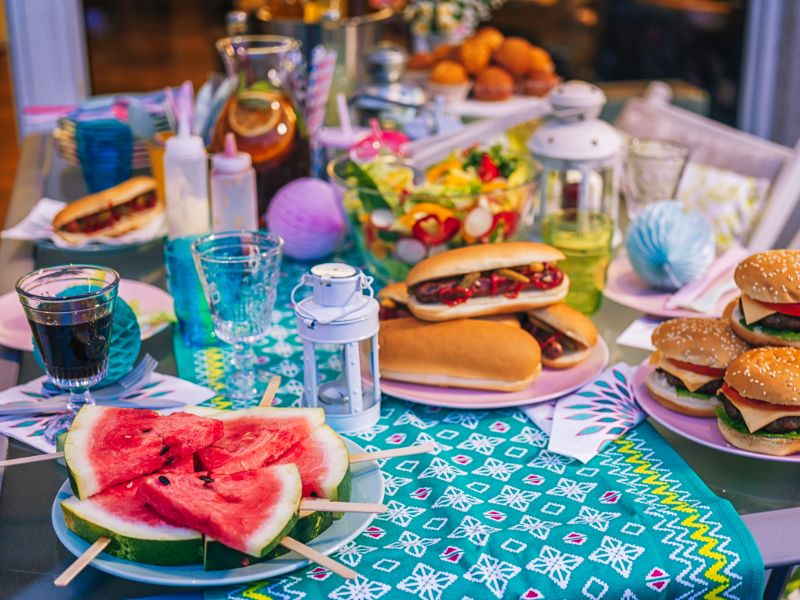
Summer on the Eastern Shore usually comes with a full plate: beach trips, seafood boils, grilling with friends, dock days, baseball tournaments, and backyard BBQs. But all that time outdoors can also create more opportunities for summer foods to sit out longer than they should. Add in South Alabama heat and humidity, and bacteria can multiply surprisingly fast.
That’s why World Food Safety Day on June 7th is a good reminder that food safety is not just a restaurant issue. It matters at home, too, especially during Alabama summers when heat and humidity can turn “probably still fine” into a rough night pretty quickly.
What Is Foodborne Illness, Exactly?
Foodborne illness, more commonly called food poisoning, happens when you eat food contaminated with harmful bacteria, viruses, or toxins. These can spread through undercooked food, contaminated surfaces, unwashed hands, or foods that haven’t been stored at safe temperatures. When ingested, they can cause symptoms ranging from mild nausea and stomach upset to bloody diarrhea, vomiting, and dehydration.
The usual suspects are bacteria, and a few names come up again and again:
- Salmonella is one of the most common, typically found in raw poultry, eggs, and unpasteurized dairy.
- coli shows up in undercooked ground beef, raw produce, and contaminated water.
- Listeria can grow even in refrigerated temperatures and is often linked to deli meats, soft cheeses, and smoked seafood.
- Campylobacter is actually the most frequently reported bacterial cause of food poisoning in the U.S. and loves raw or undercooked poultry.
The window between “that tasted fine” and “I feel terrible” can be anywhere from 30 minutes to several days depending on the bacteria involved, which is why people often have no idea what made them sick.
Certain foods are more high-risk than others, especially during the summer months. Common high-risk foods include:
- Raw or undercooked seafood, chicken, and ground beef
- Deli meats
- Mayo-based salads like potato or pasta salad
- Dairy-heavy dishes and dips
- Cut fruit left sitting out
Summer Food Safety Tips for the Eastern Shore
Summer food safety usually comes down to one thing: time. A few small habits can make a big difference.
Start with clean hands. Summer gatherings involve a lot of shared food, coolers, and serving utensils. Always wash your hands well before handling food and after touching raw proteins. No running water? Hand sanitizer or moist towelettes with at least 60% alcohol get the job done for beach days and tailgates.
Know the “Danger Zone”. Bacteria thrive between 40°F and 140°F. In that range, they can multiply fast, even when food still looks and smells completely normal.
Keep cold foods below 40°F using ice, coolers, or refrigeration. Check coolers occasionally instead of assuming the ice is still keeping everything cold enough.
Keep hot foods above 140°F on the grill, in a slow cooker, or on a warming tray.
A meat thermometer and a small cooler thermometer are cheap insurance against a miserable next few days.
Keep cold foods truly cold. Load up on ice or frozen gel packs, keep coolers in the shade, and store the most perishable items (seafood, deli meats, dips, cut fruit) closest to the ice. Pack a separate cooler for drinks – that cooler gets opened constantly, exposing everything inside to warmer temperatures.
Watch your internal temps. Color alone isn’t a reliable sign that meat is fully cooked. Use a food thermometer: chicken should reach 165°F, ground beef 160°F, and fish and shellfish 145°F.
Follow the two-hour rule. Perishable food should never sit unrefrigerated for more than two hours. When temps climb above 90°F, that drops to one hour. That clock starts earlier than most people think: the drive to the cookout counts, the food table at the family reunion counts, and the burger tray sitting beside the grill while everyone swims counts too. When in doubt, throw it out.
Avoid cross-contamination. Use separate cutting boards and utensils for raw meat and ready-to-eat foods. Wash your hands after handling raw proteins, especially if you’re moving between the grill and the snack table (or baiting hooks at the dock.)
When Food Poisoning Needs Medical Care
Many mild cases of food poisoning improve with rest, hydration, and time. But sometimes symptoms become more serious, especially during the summer when dehydration can happen quickly in the heat.
Seek care if you or someone in your family experiences severe dehydration, bloody diarrhea, persistent vomiting, a high fever, or symptoms that aren’t improving after a couple of days. Young children and older adults should be evaluated sooner rather than later.
If a summer meal leaves you feeling worse than just overstuffed, Urgent Care of Fairhope is open six days a week with no appointment needed. Check the waitlist online before you arrive to see how many patients are waiting and how quickly you could be seen.
Eat well, stay safe, and enjoy every bite of summer.
Search our Blog
Recent Posts
Chronic Headaches: Types and Treatment
Most people have had a headache. Stress, dehydration, too much screen time, not enough sleep – these everyday headaches are uncomfortable, but they're usually short-lived and respond well to rest and over-the-counter pain relievers. Chronic [...]
Summer Food Safety Tips
Summer on the Eastern Shore usually comes with a full plate: beach trips, seafood boils, grilling with friends, dock days, baseball tournaments, and backyard BBQs. But all that time outdoors can also create more opportunities [...]
8 Ways to Reduce Bloat
Bloating has a way of showing up uninvited, usually right when you’re trying to feel your best. One minute you’re fine, the next your stomach feels tight, heavy, or just…off. The good news? Most everyday [...]
2026 Summer Camp Guide: Eastern Shore, Alabama
School’s out for summer! While the kids are rejoicing, we know many parents are picturing long days of screen time, junk food and boredom. If you haven’t scheduled a summer camp experience for your student [...]
The One Exercise More Adults Should Be Doing For Healthy Aging
For decades, the advice was pretty consistent: want to stay healthy as you get older? Get your cardio in. Walk, bike, swim, keep that heart rate up. But research over the last several years has [...]
What To Do When Your Kid Gets Sick on Vacation
You packed the sunscreen. You remembered the swimsuits. You even brought the backup snacks. And then your child wakes up with a fever. If you travel with kids, you already know: illness does not care [...]