

World Menopause Month: What Women Need to Know
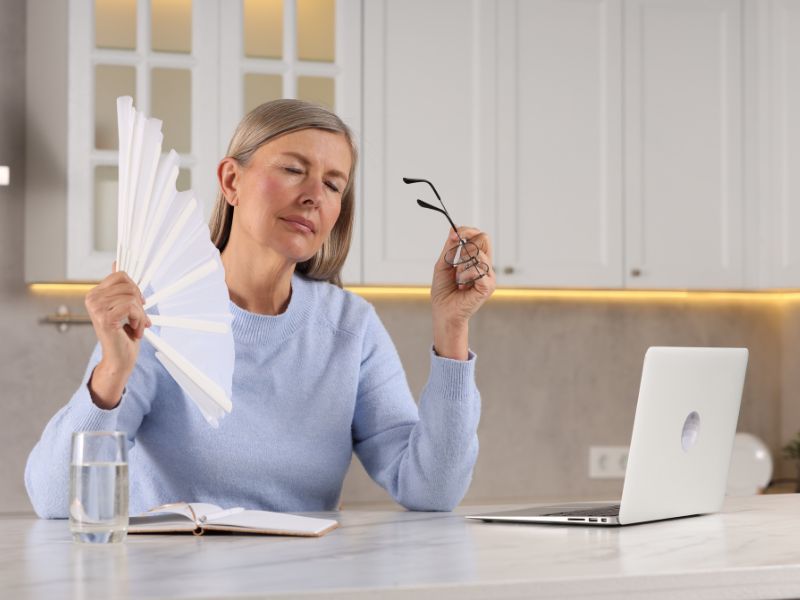
Menopause is a fact of life for all women, but it’s far from one-size-fits-all. Some women experience it earlier or later than others, symptoms can range from barely noticeable to highly disruptive, and individual health factors can complicate the picture even more. Historically, many women’s concerns were brushed off because symptoms like hot flashes, night sweats, and mood swings were seen as “inconvenient but harmless.” Today, however, research shows that menopause has a lasting impact on women’s overall health and longevity.
October is World Menopause Month, making this the perfect time to unpack the facts, debunk the myths, and highlight what every woman should know about this stage of life.
What is Menopause?
Menopause is a natural biological stage in a woman’s life that marks the end of her menstrual cycles and reproductive years. The process occurs as the ovaries gradually produce less estrogen and progesterone, which are the hormones that regulate menstruation and fertility. As hormone levels decline, periods first become irregular and eventually stop.
Menopause is officially diagnosed when a woman has gone 12 consecutive months without a menstrual period, and it usually happens between ages 45 and 55, though the timing can vary. But menopause isn’t an overnight switch; it’s more like a dimmer dial that gradually turns down. There are three main stages:
- Perimenopause (a.k.a. the transition years)
- When it starts: Usually mid-to-late 40s, though it can begin earlier.
- What’s happening: The ovaries begin to produce less estrogen and progesterone, but not in a steady decline—it’s more like a roller coaster. Some months you may feel totally normal, other months like your body is in full rebellion.
- Symptoms:
- Irregular periods
- Hot flashes and night sweats
- Sleep disruptions
- Mood swings and brain fog
- Vaginal dryness or discomfort during intimacy
- Weight gain
- Changes in skin, hair, and bone health
- Menopause (the official milestone)
- When it’s diagnosed: Once you’ve gone 12 consecutive months without a period.
- Average age: 45-55
- What’s happening: Estrogen and progesterone levels have dropped enough that ovulation and menstruation stop for good.
- Symptoms: Some perimenopause symptoms may still be around (hot flashes, vaginal dryness, etc.), but the erratic cycles end.
- Postmenopause (life after periods)
- When it starts: Immediately after the menopause milestone
- What’s happening: Hormone levels stabilize at their new, lower baseline.
- Symptoms: Many symptoms gradually ease, but some may linger or increase without management.
- Health considerations:
- Higher risk for osteoporosis
- Increased risk of heart disease
- A greater need to focus on long-term wellness, including exercise, nutrition, sleep, and preventive screenings
Menopause Timing
Most women experience menopause in their early 50s, but there’s a natural range on either side. Whether early, average, or late, each scenario carries its own health considerations.
Early Menopause
Some women experience early menopause, or symptoms and hormonal changes that begin before age 45. If it arrives before 40, it’s called premature menopause or primary ovarian insufficiency (POI).
Genetics play a big role, but medical treatments like chemotherapy, pelvic radiation, or surgical removal of the ovaries can also cause it. Autoimmune conditions and lifestyle choices such as smoking increase the likelihood as well. Because early menopause shortens a woman’s lifetime exposure to estrogen, it can raise the risk of osteoporosis and heart disease. Doctors may recommend hormone therapy or other strategies to protect long-term health.
Late Menopause
Late menopause is when menstrual cycles continue beyond age 55. Just as with early menopause, genetics are often the biggest influence, though a higher body fat percentage or naturally slower egg depletion may also extend fertility. The upside of later menopause is longer estrogen protection for bones and the heart. The downside: prolonged estrogen exposure may slightly increase the risk of certain cancers, including breast, ovarian, and endometrial cancer.
Treating Menopause
There isn’t a cure for menopause—it’s a life stage, not a disease—but treatments can ease symptoms and reduce health risks:
- Hormone Therapy (HT):
Estrogen or a combination of estrogen and progesterone can help with hot flashes, night sweats, vaginal dryness, and bone loss. It’s not right for everyone (e.g., women with certain cancer or clotting risks), but it’s often very effective when used appropriately. - Non-Hormonal Medications:
Certain antidepressants, anti-seizure meds, or blood pressure drugs can reduce hot flashes and mood swings for women who can’t or don’t want hormone therapy. - Vaginal Estrogen Treatments:
Creams, rings, or tablets deliver low-dose estrogen directly to the vaginal tissue, easing dryness, discomfort, and urinary issues without affecting the whole body. - Lifestyle and Natural Approaches:
Some women find relief with yoga, mindfulness, or plant-based remedies like soy or black cohosh (though results vary and should be discussed with a doctor before trying).
Why It Matters
Menopause itself is natural, but the hormonal changes that come with it can influence bone, heart, and overall health. That’s why regular checkups, preventive screenings, and lifestyle adjustments are so important.
While menopause is a journey best navigated with your primary care provider or gynecologist, Urgent Care of Fairhope is here for you at every stage of life. Our walk-in clinic is open six days a week to treat minor illnesses and injuries, including sudden gynecological symptoms. Check our online waitlist and visit us for fast, friendly urgent care—no appointment needed.
Search our Blog
Recent Posts
Everything You Need to Know About the 2026 Fairhope Arts & Crafts Festival
In Fairhope, it doesn’t really feel like spring until we’re counting down the days to our favorite annual springtime event: the Fairhope Arts and Crafts Festival. Now in its 74th year, this downtown celebration is [...]
New 2026 Dietary Guidelines: What Fairhope Families Need to Know
In January 2026, the USDA announced a major update to national nutrition guidelines, including a redesigned food pyramid that puts a new emphasis on whole, minimally processed foods. These guidelines influence everything from school lunches [...]
Urgent Care of Fairhope Voted Best Urgent Care in Best of Baldwin 2026
We’re honored to announce that Urgent Care of Fairhope has been voted Best Urgent Care in the 2026 Best of Baldwin Awards, an honor decided entirely by votes from our Baldwin County community. Hosted annually [...]
Probiotics vs. Prebiotics: What’s the Difference (and Do You Actually Need Both)?
For something most of us would rather not talk about at the dinner table, gut health has become a major star in the wellness world. Walk through any store and you’ll find shelves lined with [...]
Mardi Gras 2026: Fairhope Festivities And Fun For All
It’s time to let the good times roll! The 2026 Daphne and Fairhope Mardi Gras season starts rolling soon with a full schedule of parades, balls, and festive celebrations along the Eastern Shore. It’s one [...]
Festive Holiday Treats for Diabetic Kids
The holidays are filled with cookie swaps, candy canes, and dessert tables as far as the eye can see. But for parents and teachers of diabetic children, the season can be a balancing act. Thankfully, [...]