

Probiotics vs. Prebiotics: What’s the Difference (and Do You Actually Need Both)?
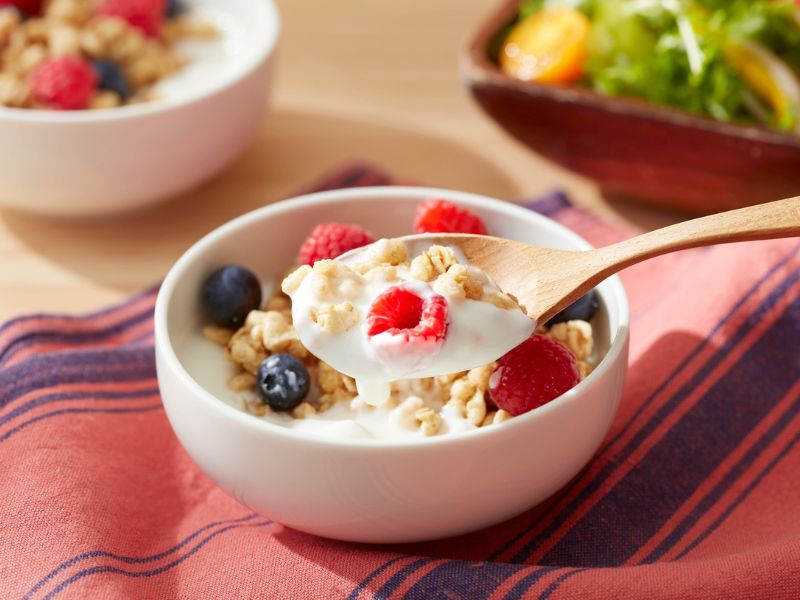
For something most of us would rather not talk about at the dinner table, gut health has become a major star in the wellness world. Walk through any store and you’ll find shelves lined with powders, drinks, gummies, and “miracle” mixes all promising to keep your digestive system happy. And while a balanced gut really does play a big role in your overall health, the terms we hear most often — probiotics and prebiotics — tend to sound a lot alike without actually explaining much.
If you’ve ever wondered what each one does (and whether you really need both), you’re in the right place.
A Quick Look at Your Gut Microbiome
Before we dive into probiotics and prebiotics, let’s talk about what’s actually living in your digestive tract. Your gut microbiome is a complex ecosystem made up of trillions of microorganisms—bacteria, yeasts, and other microbes—all working together. Think of it like a coral reef: diverse, interconnected, and absolutely essential to the overall health of the system. When this ecosystem is balanced, you feel great. When it’s out of whack, you notice.
What are Probiotics?
Probiotics are live microorganisms like bacteria and yeasts that play an important role in keeping your gut microbiome balanced and healthy. These beneficial bacteria act mainly in the digestive tract to support healthy digestion, improve mineral absorption, strengthen your immune system, and generally keep things running smoothly.
You’ll find probiotics in fermented foods like yogurt, kefir, sauerkraut, kimchi, and kombucha. You can also take them as supplements, especially after a round of antibiotics that’s wiped out both the good and bad bacteria.
What are Prebiotics?
Prebiotics aren’t bacteria at all. They’re specialized plant fibers that act as food for the good bacteria already living and working in your digestive system. Your body can’t actually digest prebiotics, but the existing probiotics use them as fuel to grow, multiply, and maintain gut balance. Common sources of prebiotics include bananas, apples, garlic, onions, asparagus, oats, and whole grains.
Which Should You Focus On?
Ideally, both.
Probiotics help introduce and maintain healthy microorganisms, and prebiotics help nourish them. When both are present, your digestive system is more balanced, your immunity gets a natural boost, and you’re less likely to deal with uncomfortable issues like bloating, sluggish digestion, and general post-holiday stomach drama.
Many people already get a mix of both through food, especially if you’re eating a varied diet with plenty of fruits, vegetables, and whole grains. But getting enough probiotics may need a little more planning, especially if you don’t regularly eat fermented foods. Supplements can also be helpful if your diet is limited or you’re recovering from an illness that throws off your gut health.
Easy Ways to Add Them to Your Day
You don’t need a complicated meal plan to support your gut. A cup of yogurt at breakfast, a banana as a snack, mixed veggies at lunch, or a few forkfuls of fermented foods at dinner can go a long way. The goal isn’t perfection; it’s balance.
When to Visit Urgent Care of Fairhope
While probiotics and prebiotics can support gut health, they won’t fix everything. If you or your child has ongoing stomach pain, nausea, vomiting, diarrhea, dehydration, or symptoms that don’t improve after a few days, it’s time to pay us a visit at Urgent Care of Fairhope. Winter viruses, food-related illnesses, and dehydration are common this time of year, and our hometown healthcare team is here to help you feel better fast.
Walk in six days per week with no appointment necessary. Check our waitlist online before you arrive to see our current wait times!
Search our Blog
Recent Posts
8 Ways to Reduce Bloat
Bloating has a way of showing up uninvited, usually right when you’re trying to feel your best. One minute you’re fine, the next your stomach feels tight, heavy, or just…off. The good news? Most everyday [...]
2026 Summer Camp Guide: Eastern Shore, Alabama
School’s out for summer! While the kids are rejoicing, we know many parents are picturing long days of screen time, junk food and boredom. If you haven’t scheduled a summer camp experience for your student [...]
The One Exercise More Adults Should Be Doing For Healthy Aging
For decades, the advice was pretty consistent: want to stay healthy as you get older? Get your cardio in. Walk, bike, swim, keep that heart rate up. But research over the last several years has [...]
What To Do When Your Kid Gets Sick on Vacation
You packed the sunscreen. You remembered the swimsuits. You even brought the backup snacks. And then your child wakes up with a fever. If you travel with kids, you already know: illness does not care [...]
Understanding Bloodwork: What It Tells You and Why It Matters
You’ve probably heard it before: “We’ll order some labs.” But what are they actually looking for? And how do they decide which tests you need? Bloodwork isn’t random. Each panel is designed to answer a [...]
Everything You Need to Know About the 2026 Fairhope Arts & Crafts Festival
In Fairhope, it doesn’t really feel like spring until we’re counting down the days to our favorite annual springtime event: the Fairhope Arts and Crafts Festival. Now in its 74th year, this downtown celebration is [...]