

What Makes a Migraine?
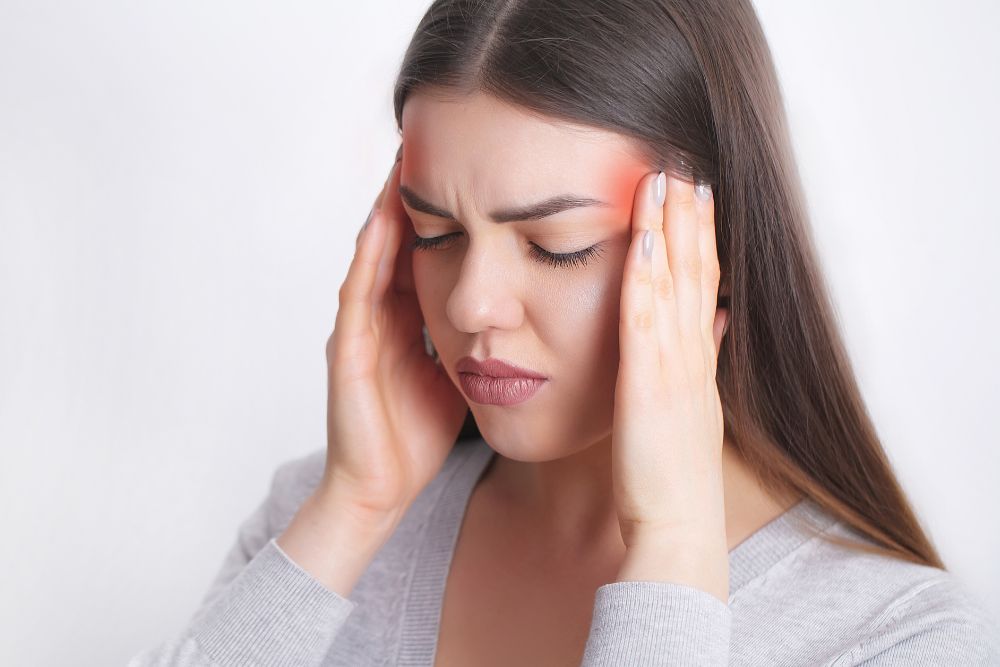
Any headache is a hassle, but migraines are especially miserable. More than just a bad headache, migraines are a neurological condition that affect at least 39 million Americans with debilitating symptoms that can leave you down for days. In fact, the World Health Organization places migraines as one of the 10 most disabling medical conditions on the planet–but also one of the most unrecognized and under-treated conditions in the world.
But what makes a migraine, and how is it different from any other headache? Here’s what you need to know.
What is a Migraine?
Migraines are a specific type of primary headache, or headaches that aren’t caused by an underlying disease or other health issue (these are known as secondary headaches.) Unlike your typical headache, a migraine is a neurological condition that can cause a wide range of symptoms that vary from person to person. Migraines are also recurrent, re-occurring anywhere from once or twice per month (episodic migraines) to every few days (chronic migraines.)
Migraines can significantly affect your day-to-day life, but how do they differ from other headaches? The key lies in their severity, symptoms, and triggers.
Migraine Symptoms
The classic migraine symptom is an intense, debilitating headache. The pain is typically described as throbbing or pulsing that intensifies with movement or physical activity. It usually occurs on one side of the head and can last anywhere from 3-4 hours to several days.
Unlike other types of headache, pain is rarely the only migraine symptom. Migraines typically progress through four stages, although not everyone experiences all of them:
- Prodrome (Pre-headache phase): This initial phase can start hours or days before the head pain begins. You might notice subtle changes like constipation, mood swings, food cravings, neck stiffness, increased thirst and urination, and frequent yawning.
- Aura (Sensory disturbances): Around 20% of migraine sufferers report having an aura, or sensory disturbances that occur right before or during migraine attacks. Symptoms may include visual phenomena like seeing various shapes, bright spots or flashes, and vision loss, as well as pins and needles sensations in arms or legs, weakness or numbness on one side of the face or body, and difficulty speaking.
- Attack Phase: This is when the actual migraine pain occurs. A migraine usually lasts from 4 to 72 hours if untreated. During this phase, you might experience intense pain on one side of your head; nausea and vomiting; and sensitivity to light, sounds, smells, or touch.
- Postdrome (Final phase): After a migraine attack, you might feel drained, confused, and washed out for up to a day. Around 80% of people report feeling fatigue, body aches, trouble concentrating, and light sensitivity during this “migraine hangover”.
Causes and Triggers
The exact cause of migraines isn’t completely understood, but they’re believed to be the result of abnormal brain activity. Most researchers believe a combination of genetic, environmental, and lifestyle factors play a role in the condition. We do know that certain common triggers can cause or increase the severity of migraine attacks. Triggers vary among individuals and include stress, hormonal changes, alcohol, bright or flashing lights, certain foods, and changes in sleep patterns, among others.
Who is at Risk?
Migraines can affect anyone at any age, but they’re more common in certain patients. Those at highest risk of developing migraines include:
- Women. Migraines affect adult women three times more often than men, likely due to hormonal changes. They usually begin at the onset of puberty or during pregnancy.
- Those with family history. An estimated 80% of patients with diagnosed migraines have at least one immediate family member with the condition.
- Smokers.
- Patients with certain other conditions like depression, anxiety, epilepsy, or sleep disorders.
Migraine Diagnosis and Treatment
There are currently no tests that can definitively identify migraine headaches. A neurologist, or specialist trained in treating headaches, can diagnose migraines by taking a detailed medical history, defining recurrent symptoms, and ruling out other possible conditions. Keeping a headache journal can help your healthcare provider understand and diagnose your individual condition.
While there’s no cure for migraines, treatments are available to help manage the symptoms. These include pain relief medications to reduce acute symptoms and preventive medications that reduce the frequency and severity of migraine attacks. Lifestyle alterations, like managing stress, maintaining regular sleep patterns, and avoiding known triggers, can also be effective.
At Urgent Care of Fairhope, we understand how crippling migraines can be. Our friendly and experienced team is here to provide personalized care to manage your migraines effectively. Visit our walk-in clinic six days per week for fast and convenient care tailored to your needs. You can even check the waitlist before you arrive to avoid the extra headache of long wait-times!
Search our Blog
Recent Posts
Understanding Bloodwork: What It Tells You and Why It Matters
You’ve probably heard it before: “We’ll order some labs.” But what are they actually looking for? And how do they decide which tests you need? Bloodwork isn’t random. Each panel is designed to answer a [...]
Everything You Need to Know About the 2026 Fairhope Arts & Crafts Festival
In Fairhope, it doesn’t really feel like spring until we’re counting down the days to our favorite annual springtime event: the Fairhope Arts and Crafts Festival. Now in its 74th year, this downtown celebration is [...]
New 2026 Dietary Guidelines: What Fairhope Families Need to Know
In January 2026, the USDA announced a major update to national nutrition guidelines, including a redesigned food pyramid that puts a new emphasis on whole, minimally processed foods. These guidelines influence everything from school lunches [...]
Urgent Care of Fairhope Voted Best Urgent Care in Best of Baldwin 2026
We’re honored to announce that Urgent Care of Fairhope has been voted Best Urgent Care in the 2026 Best of Baldwin Awards, an honor decided entirely by votes from our Baldwin County community. Hosted annually [...]
Probiotics vs. Prebiotics: What’s the Difference (and Do You Actually Need Both)?
For something most of us would rather not talk about at the dinner table, gut health has become a major star in the wellness world. Walk through any store and you’ll find shelves lined with [...]
Mardi Gras 2026: Fairhope Festivities And Fun For All
It’s time to let the good times roll! The 2026 Daphne and Fairhope Mardi Gras season starts rolling soon with a full schedule of parades, balls, and festive celebrations along the Eastern Shore. It’s one [...]