

Common Skin Cancers: Signs and Safety Tips
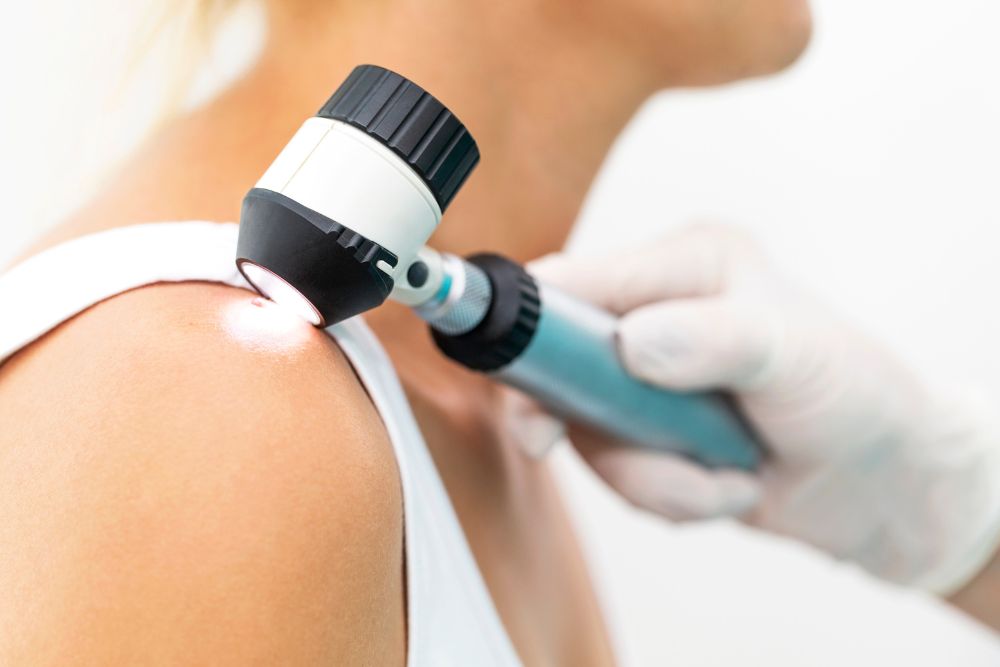
Summer is on its way to the Eastern Shore. As we bask in the summer sun and celebrate beach season, it’s important to remember that May is also Skin Cancer Awareness Month – an important topic for everyone living and playing on the Alabama Gulf Coast. With over 5 million new cases diagnosed each year, skin cancer is America’s most common cancer. While the statistics are scary, skin cancer is largely preventable, and early detection increases the 5-year survival rate to 99%. Talk about the power of knowledge!
At Urgent Care of Fairhope, we’re not just about treating your sunburns; we want to ensure your family’s fun in the sun stays safe and enjoyable. Here’s what you need to know about skin cancer and summer skin safety.
Know Your Enemy: Types of Skin Cancer
When it comes to skin cancer, knowledge is like a powerful sunscreen; don’t leave home without it. The most common types include:
Actinic Keratosis: This common pre-cancer affects more than 58 million Americans and develops from years of sun exposure. It presents as rough, scaly spots or patches on the top layer of skin that can be pink, red, or brown. Early detection and treatment can prevent progression.
Basal Cell Carcinoma (BCC): The most common form of skin cancer, BCCs are caused by an abnormal growth of basal cells after excessive UV exposure. BCCs can look like open sores, red patches, pink and shiny bumps, or growths with raised edges. They may ooze, crust, itch, or bleed. BCCs are notorious lingerers but are highly treatable if caught early.
Squamous Cell Carcinoma (SCC): SCCs are the second most common form of skin cancer and usually occur on sun-exposed areas like the scalp, hands, ears, or lips. As squamous cells grow and shed abnormally, these areas can appear as flat sores with a scaly crust, rough patches on the lips or mouth, wart-like growths, or firm nodules in various colors. SCCs are rarely life-threatening, but can develop and spread rapidly if left untreated.
Melanoma: The most serious form of skin cancer, malignant melanoma can spread rapidly and cause dangerous complications. Risk factors include sun exposure, use of tanning beds, fair skin color, and family history; on average, your risk doubles if you have had more than five sunburns. Melanomas are usually brown or black and appear as mole-like growths that change in color, shape, or size. Remember the ABCDEs of melanoma: Asymmetry, Border irregularity, Color variation, Diameter over 6mm, and Evolving characteristics.
In all forms of skin cancer, early detection makes a world of difference. If a spot on your skin is changing, itching, or bleeding, it’s time to see your doctor.
Skin Cancer Treatment
Caught early, skin cancer is often no match for modern medicine. Depending on your type and severity, treatments can range from topical medications and cryotherapy (freezing off those cancerous cells) to removal, radiation therapy, or advanced surgery. A skin specialist called a Dermatologist is trained to diagnose, treat, and monitor skin cancers.
Prevention: Your Sun Safety Toolkit
Preventing skin cancer is like building a summer sandcastle—the right tools make all the difference! Here’s your must-have list:
- Sunscreen: Always choose a broad-spectrum sunscreen with at least SPF 30. Reapply every two hours, or more often if you’re swimming or sweating.
- Shade: Seek shaded areas, especially during the sun’s peak hours from 10 a.m. to 4 p.m.
- Cover Up: Wide-brimmed hats, sunglasses, and long-sleeved shirts are your allies. Think of them as your personal shade providers.
- Hydration: Keep your skin and body hydrated. Water is your best friend after a long day at the beach or pool.
At Urgent Care of Fairhope, we’re more than just a clinic; we’re part of your community. We’re here to support your family’s health, whether you’re dealing with a jellyfish sting or a serious sunburn. Check our waitlist online and visit our walk-in clinic for fast and friendly care all summer long.
Remember, enjoying the great outdoors is a wonderful part of life on the Gulf Coast. With a little preparation and awareness, you can soak up the sun without soaking up the risks. Here’s to a fun, sun-safe summer!
Search our Blog
Recent Posts
8 Ways to Reduce Bloat
Bloating has a way of showing up uninvited, usually right when you’re trying to feel your best. One minute you’re fine, the next your stomach feels tight, heavy, or just…off. The good news? Most everyday [...]
2026 Summer Camp Guide: Eastern Shore, Alabama
School’s out for summer! While the kids are rejoicing, we know many parents are picturing long days of screen time, junk food and boredom. If you haven’t scheduled a summer camp experience for your student [...]
The One Exercise More Adults Should Be Doing For Healthy Aging
For decades, the advice was pretty consistent: want to stay healthy as you get older? Get your cardio in. Walk, bike, swim, keep that heart rate up. But research over the last several years has [...]
What To Do When Your Kid Gets Sick on Vacation
You packed the sunscreen. You remembered the swimsuits. You even brought the backup snacks. And then your child wakes up with a fever. If you travel with kids, you already know: illness does not care [...]
Understanding Bloodwork: What It Tells You and Why It Matters
You’ve probably heard it before: “We’ll order some labs.” But what are they actually looking for? And how do they decide which tests you need? Bloodwork isn’t random. Each panel is designed to answer a [...]
Everything You Need to Know About the 2026 Fairhope Arts & Crafts Festival
In Fairhope, it doesn’t really feel like spring until we’re counting down the days to our favorite annual springtime event: the Fairhope Arts and Crafts Festival. Now in its 74th year, this downtown celebration is [...]