

Understanding Bloodwork: What It Tells You and Why It Matters
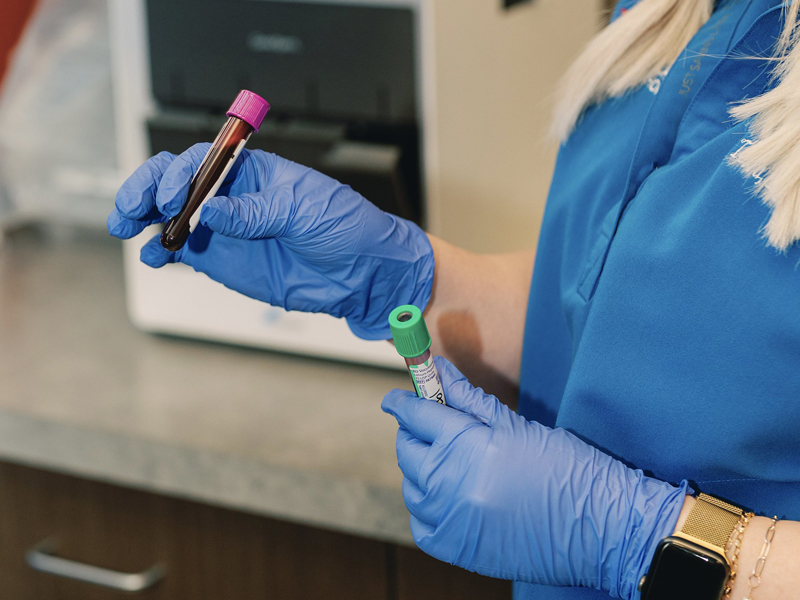
You’ve probably heard it before: “We’ll order some labs.”
But what are they actually looking for? And how do they decide which tests you need?
Bloodwork isn’t random. Each panel is designed to answer a specific question about how your body is functioning. For adults in their 30s, 40s, and 50s, it often helps catch early warning signs of conditions that tend to develop gradually, like heart disease, diabetes, or thyroid problems.
Let’s walk through what the most common tests actually measure and when they’re typically indicated.
The Most Common Blood Tests
Complete Blood Count (CBC)
A CBC is one of the most frequently ordered blood tests because it gives your doctor a comprehensive look at the cells floating through your bloodstream. This test measures your red blood cells, white blood cells, and platelets.
When these numbers are off, they can point to a range of issues. Low red blood cell counts might indicate anemia. High white blood cell counts could signal an infection your body is fighting. Platelets help your blood clot properly, which matters if you’re bruising easily or bleeding longer than expected.
A CBC is often part of routine yearly labs, but it’s also ordered when someone comes in feeling unusually fatigued, lightheaded, or sick.
Comprehensive Metabolic Panel (CMP)
Think of the CMP as a status report on some of your body’s most essential systems. This panel checks your blood sugar levels, kidney function, liver enzymes, and electrolyte balance. Basically, it tells your doctor whether your organs are doing their jobs properly.
The CMP measures things like creatinine and BUN (kidney markers); ALT and AST (liver enzymes); and electrolytes like sodium and potassium. Abnormal results might mean your kidneys aren’t filtering waste effectively, your liver is under stress, or your blood sugar regulation needs attention.
These panels are commonly ordered during annual physicals, especially after age 35. They’re also used when someone is dehydrated, taking certain medications, or experiencing symptoms that don’t have a clear explanation.
Lipid Panel
A lipid panel measures cholesterol levels. This test measures your total cholesterol, LDL (the kind that can build up in your arteries), HDL (the kind that actually helps clear cholesterol away), and triglycerides (a type of fat in your blood).
These numbers matter because they’re closely tied to your risk of heart disease and stroke. Your doctor will look at these results alongside other factors like your age, blood pressure, and family history to assess your cardiovascular risk.
Most people should get a lipid panel every four to six years starting in their 20s, though more frequent testing is recommended if you have risk factors or you’re on cholesterol-lowering medication.
Hemoglobin A1C
Unlike a regular glucose test that shows your blood sugar at one moment in time, the A1C test measures your average blood sugar levels over the past two to three months. It works by measuring how much sugar has attached to your hemoglobin (the protein in red blood cells that carries oxygen).
This test is crucial for diagnosing and monitoring diabetes and prediabetes. In general, an A1C below 5.7% is considered normal. Levels between 5.7% and 6.4% fall into the prediabetes range. At 6.5% or higher, diabetes is likely.
If you’re managing diabetes, your doctor will likely check your A1C every three to six months to see how well your treatment plan is working. For others, it might be checked every few years as part of routine screening, especially if you have risk factors like being overweight or having a family history of diabetes.
Thyroid Panel (TSH)
If you’ve ever been unusually tired, gaining weight without changing habits, or feeling off in ways that are hard to describe, your provider may check your thyroid. A simple blood test measures thyroid-stimulating hormone to see if that gland is overactive or underactive.
When your TSH is high, it usually means your thyroid isn’t producing enough hormones (hypothyroidism). When it’s low, your thyroid might be overactive (hyperthyroidism). Thyroid issues are incredibly common, especially in women, and a simple blood test can identify problems that are very treatable with medication.
Your provider may also order more specific tests depending on your symptoms or medical history.
When Is Bloodwork Needed?
It depends on your age, medical history, and risk factors.
For most healthy adults, routine bloodwork is done through your primary care provider during annual physicals. That’s where long-term monitoring and preventive screening happen. If you have conditions like high blood pressure, high cholesterol, or diabetes, you may need testing more often.
Urgent care plays a different role.
At Urgent Care of Fairhope, bloodwork is typically ordered when someone has new or sudden symptoms and we need quick information to guide treatment. For example, severe fatigue, signs of infection, concerning blood sugar symptoms, or dehydration. Our role is to evaluate acute concerns and help you take the next step, whether that’s treatment today or follow-up with your primary care provider.
The best rule of thumb is to follow your primary care provider’s recommendations. They know your history and can tailor testing to your needs.
Why It Matters
Here’s the part that’s easy to overlook: many of the most common chronic conditions have no early symptoms. High cholesterol doesn’t hurt. Early kidney disease doesn’t announce itself. Prediabetes doesn’t make you feel sick.
Bloodwork often catches these changes early, when they’re easier to manage.
If it’s been a while since your last physical, it may be worth scheduling one with your primary care provider. And if you’re feeling unwell and need answers sooner, our team at Urgent Care of Fairhope is here to help evaluate what’s going on and determine whether lab testing is appropriate. We offer walk-in appointments six days per week at our Fairhope clinic.
Your health story is always bigger than a single test, but sometimes, a small vial of blood can tell us exactly where to start.
Search our Blog
Recent Posts
8 Ways to Reduce Bloat
Bloating has a way of showing up uninvited, usually right when you’re trying to feel your best. One minute you’re fine, the next your stomach feels tight, heavy, or just…off. The good news? Most everyday [...]
2026 Summer Camp Guide: Eastern Shore, Alabama
School’s out for summer! While the kids are rejoicing, we know many parents are picturing long days of screen time, junk food and boredom. If you haven’t scheduled a summer camp experience for your student [...]
The One Exercise More Adults Should Be Doing For Healthy Aging
For decades, the advice was pretty consistent: want to stay healthy as you get older? Get your cardio in. Walk, bike, swim, keep that heart rate up. But research over the last several years has [...]
What To Do When Your Kid Gets Sick on Vacation
You packed the sunscreen. You remembered the swimsuits. You even brought the backup snacks. And then your child wakes up with a fever. If you travel with kids, you already know: illness does not care [...]
Understanding Bloodwork: What It Tells You and Why It Matters
You’ve probably heard it before: “We’ll order some labs.” But what are they actually looking for? And how do they decide which tests you need? Bloodwork isn’t random. Each panel is designed to answer a [...]
Everything You Need to Know About the 2026 Fairhope Arts & Crafts Festival
In Fairhope, it doesn’t really feel like spring until we’re counting down the days to our favorite annual springtime event: the Fairhope Arts and Crafts Festival. Now in its 74th year, this downtown celebration is [...]